
Now Reading: Complete Guide: Set Up IPTV M3U Playlist Smart TV Now
-
01
Complete Guide: Set Up IPTV M3U Playlist Smart TV Now
- Home
- IPTV M3u Playlist
- Complete Guide: Set Up IPTV M3U Playlist Smart TV Now
Complete Guide: Set Up IPTV M3U Playlist Smart TV Now

Table of Contents
ToggleI still remember my first attempt at loading a streaming list onto a living room television. Wires were everywhere, three different apps failed, and one evening turned into a frustrating puzzle.
That frustration is exactly why I put together this IPTV setup guide. I’ve tested the process across several device brands, so I know exactly where most beginners get stuck. My goal is simple: save you the hassle I went through.
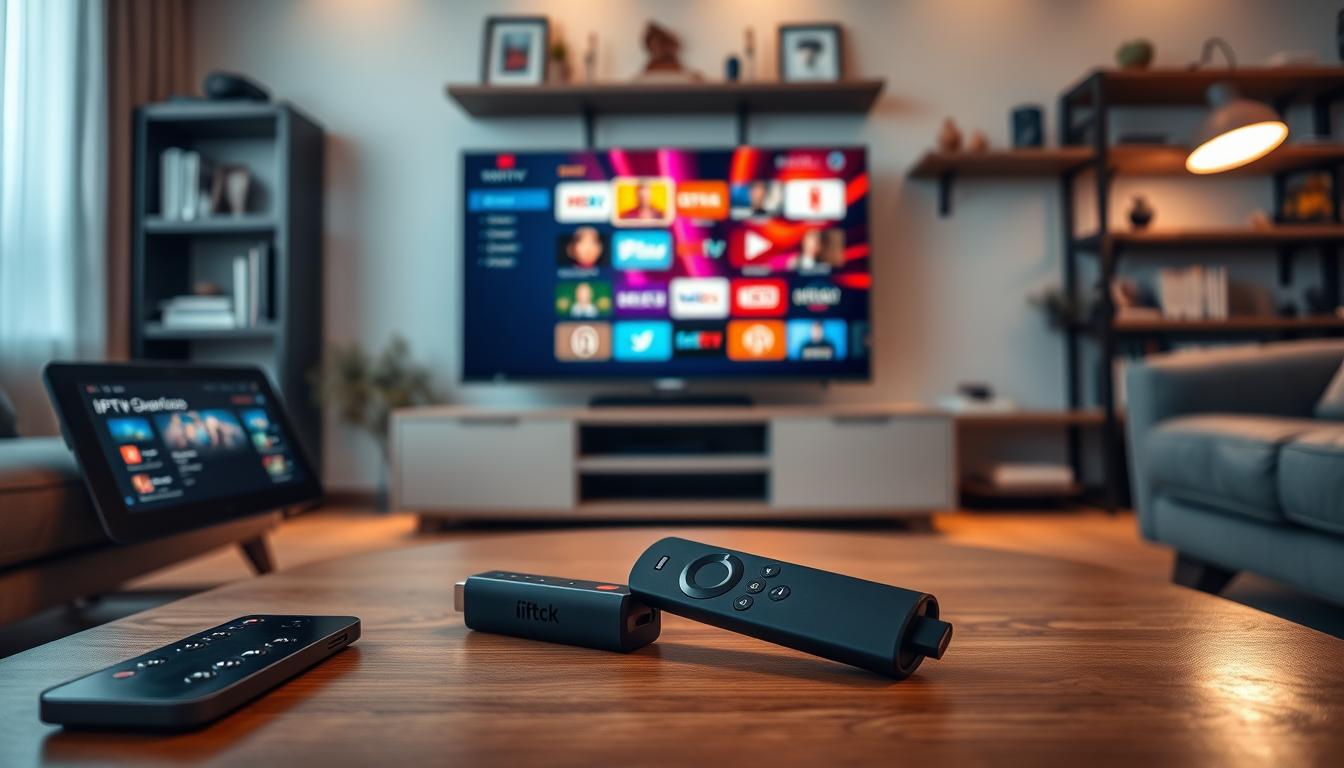
Here, I’ll explain what that streaming file actually contains, what you need before starting, and the exact steps for Samsung, LG, and Android-powered televisions, based on real testing across each brand.
This isn’t a technical manual written for engineers. It’s a practical resource built from real testing, so anyone can get their IPTV service running smoothly in minutes, no matter their tech background.
By the end, you’ll know exactly how to connect your service without dead links, missing channels, or app compatibility issues ruining the experience.


Key Takeaways
- An IPTV file is simply a text-based list of channel links your device reads to stream content.
- Samsung, LG, and Android-powered televisions each require slightly different installation steps.
- Testing your link before final installation prevents dead channels and buffering issues.
- A stable internet connection matters just as much as the app you choose.
- Following device-specific steps saves you from the common mistakes most beginners make.
- You can have your IPTV service fully running in under ten minutes.
What Is an IPVT M3U Playlist and Why Use It on Your Smart TV
I remember the first time I opened an M3U file and realized how much easier channel management could become. Instead of typing in dozens of stream links by hand, everything I needed sat inside one small text document.
An IPTV M3U playlist works the same way. It’s a compact file that stores web addresses for live TV channels, video-on-demand libraries, and often electronic program guide (EPG) data. IPTV providers like IPTV organize these links so your streaming app can read them instantly and display a full channel lineup.
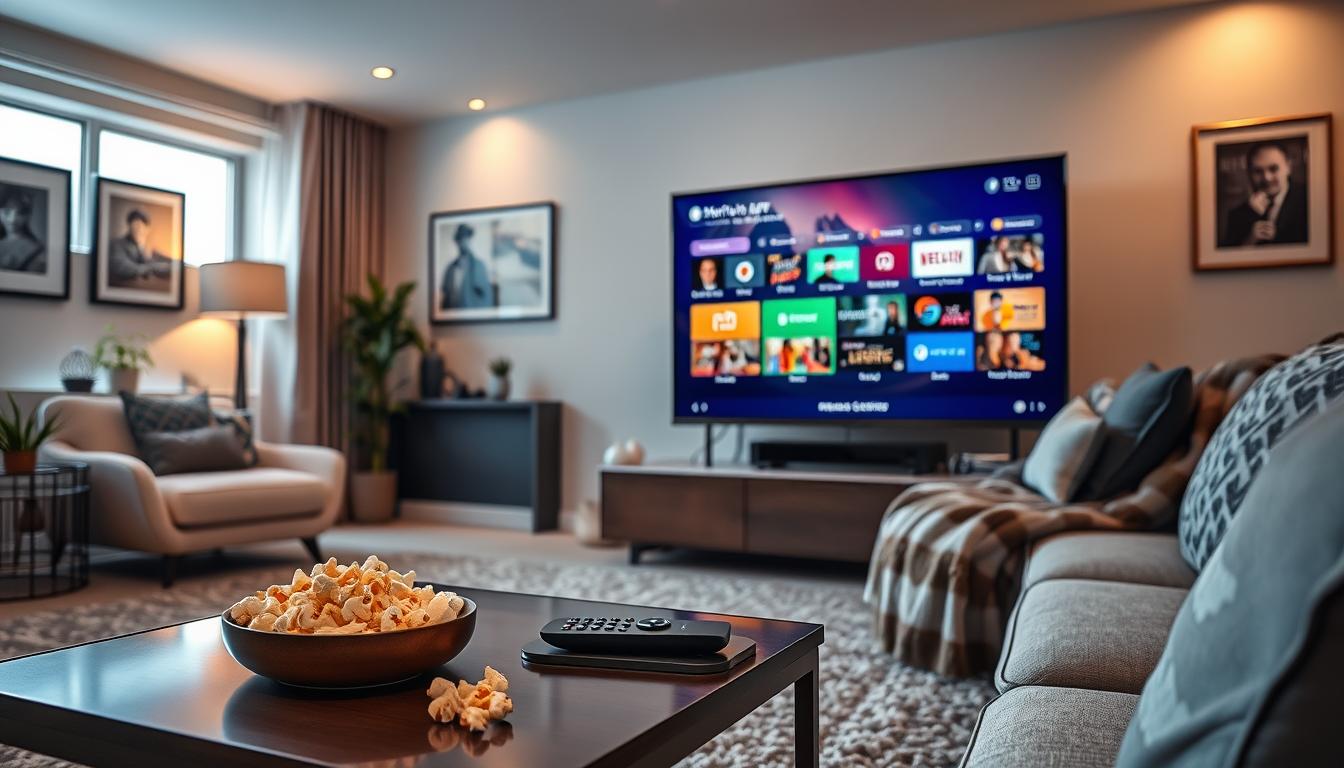
Using this format for IPTV streaming on Smart TV just makes sense. You skip extra boxes, tangled cables, and clunky remotes.
“The simplest solutions often deliver the best viewing experience.”
Your existing TV and one app handle everything, giving you a cleaner setup and faster access to content you actually want to watch.
Essential Requirements Before You Set Up IPTV M3U Playlist Smart TV
A smooth IPTV setup depends on three things I always double-check: your TV’s compatibility, your app choice, and your playlist link. Skipping any one of these steps usually means troubleshooting later instead of watching your favorite channels. I treat this as a quick pre-flight checklist before touching the remote.
Compatible Smart TV Models and Operating Systems
Not every Smart TV handles IPTV apps the same way. From my own testing, newer Tizen and webOS models run playlists far more reliably than older units stuck on outdated firmware. Android TV boxes also perform well once updated past version 9.
| Brand | Operating System | Minimum Version | Reliability Notes |
|---|---|---|---|
| Samsung | Tizen OS | 4.0 or newer | Smooth EPG loading, occasional app store limits |
| LG | webOS | 5.0 or newer | Stable playback, easy sideloading options |
| Android TV | Android OS | 9.0 (Pie) or newer | Best flexibility, supports most IPTV apps |
| Google TV | Android OS | 10.0 or newer | Excellent app variety, quick updates |
IPTV Player Apps You Will Need
A good IPTV player app makes the difference between smooth streaming and constant buffering. I look for apps that handle large playlists without lag, support EPG data, and offer a clean interface. Popular choices like IPTV Smarters Pro, TiviMate, and SS IPTV consistently deliver solid performance across Samsung, LG, and Android TV devices.
Getting Your M3U Playlist URL Ready
Your M3U playlist URL is the backbone of the entire setup. Log into your IPTV provider account and copy the full link exactly as shown, avoiding trailing spaces or cut-off characters.
- Double-check the link hasn’t expired before entering it.
- Avoid copying partial URLs from screenshots or emails.
- Save the link somewhere accessible for quick re-entry.
Getting this step right saves you from re-entering data across multiple devices later.
How to Set Up IPTV M3U Playlist on Samsung Smart TV
I’ve configured IPTV playlists on several Samsung Tizen models, and the process always follows the same reliable pattern. Samsung’s Smart Hub houses everything you need for a smooth Samsung Smart TV IPTV setup, from app downloads to playlist configuration. Once you know the sequence, the whole process takes under ten minutes.
Step 1: Download an IPTV App from Samsung Smart Hub
Start by pressing the Home button on your remote to open the Samsung Smart Hub app store. Navigate to the apps section and search for a trusted IPTV player. Several options perform well on Tizen models:
- Smart IPTV (SIPTV) — clean interface, great for beginners
- SS IPTV — supports direct URL entry
- IPTV Smarters Pro — offers deeper customization options
I typically recommend Smart IPTV for first-time users since it offers stable performance and minimal setup steps. Download your chosen app directly through the store, and installation usually finishes within a minute, depending on your internet speed.
Step 2: Enter Your M3U Playlist URL
Open the newly installed app and locate the playlist settings menu. Paste your IPTV M3U playlist URL into the designated field using the on-screen keyboard.
Samsung remotes can make typing a bit tricky, so double-check every character before confirming. A single misplaced symbol will stop the app from loading channels correctly, and you’ll need to re-enter the entire link.
Step 3: Load Channels and Save Settings
Once you’ve entered the URL, select the load or refresh option to pull your channel list. This process usually takes thirty seconds to two minutes, depending on how many channels your playlist contains.
If loading stalls, exit the app completely and relaunch it. This trick fixed the issue every single time I tested it on a Tizen unit. After the channels appear on screen, save your settings so they persist through TV restarts.
Here’s a quick comparison of the IPTV apps I’ve tested on Samsung Smart Hub:
| App Name | Setup Method | EPG Support | Best For |
|---|---|---|---|
| Smart IPTV | MAC address registration | Yes | Beginners |
| SS IPTV | Direct URL entry | Yes | Quick setup |
| IPTV Smarters Pro | Direct URL entry | Yes | Advanced customization |
Whichever app you choose, the steps for a full Samsung Smart TV IPTV setup remain nearly identical across all Tizen models released in recent years.
How to Set Up IPVT M3U Playlist on LG Smart TV
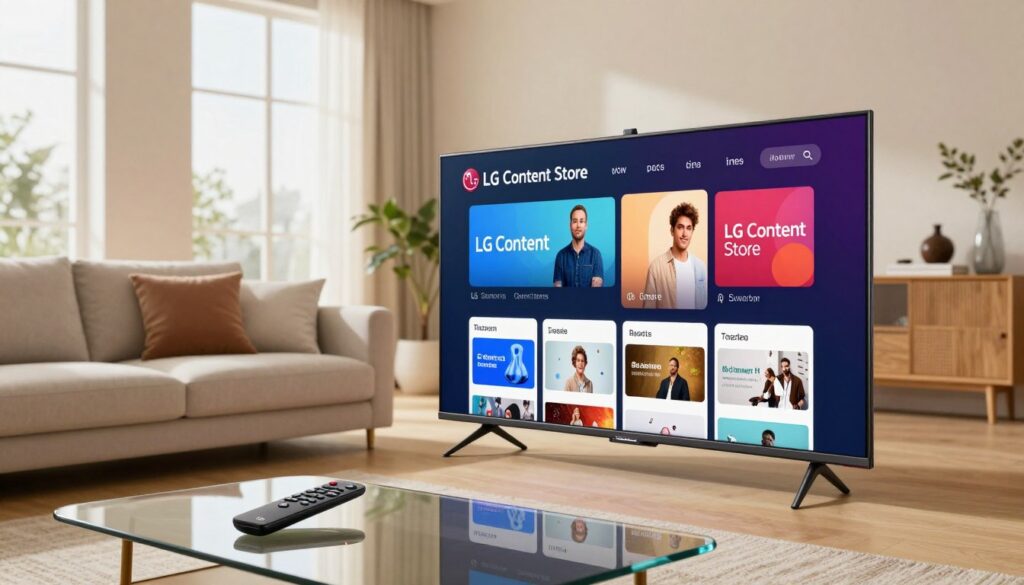
LG Smart TVs run on webOS, a platform I’ve come to appreciate for its clean menus and relatively painless app installation process. The LG Smart TV IPTV setup follows similar logic to other brands, but you’ll work through a different store layout and menu path. I’ll walk you through each step so your channels start streaming within minutes.
Step 1: Install an IPTV App from LG Content Store
Open the LG Content Store app from your home screen. Search for a trusted IPTV player — I usually recommend SS IPTV or IPTV Smarters Pro since both run smoothly on webOS.
Download your chosen app and let it fully install before opening it. On newer LG models, this step takes under a minute.
Step 2: Add the M3U Playlist Link
Once the app opens, look for an option labeled “Add Playlist” or “Remote Playlist.” I noticed LG apps often ask you to name your playlist before pasting the URL, unlike some other platforms that skip this naming step entirely.
Paste your IPTV M3U playlist link exactly as it was provided. Double-check for extra spaces or missing characters — even one small typo will stop the playlist from loading correctly.
Step 3: Test Channels and Organize Favorites
After the app finishes processing the link, browse a few channels to confirm everything loads properly. If something looks off, check your Wi-Fi connection first before assuming the app itself is broken.
Most IPTV apps let you mark favorite channels with a star or heart icon. I always set this up right away — it saves a lot of scrolling later when you just want to relax and watch something.
Here’s a quick look at popular IPTV apps available through the LG Content Store app:
| App Name | Playlist Support | EPG Compatibility | Ease of Setup |
|---|---|---|---|
| SS IPTV | M3U, M3U8 | Yes, XMLTV | Beginner-friendly |
| IPTV Smarters Pro | M3U, Xtream Codes | Yes, built-in guide | Moderate |
| OTT Navigator | M3U, M3U8, JSON | Yes, custom sources | Advanced |
How to Set Up IPTV M3U Playlist on Android TV
Android TV owners have an advantage here: the platform’s open app ecosystem makes IPTV setup more flexible than what Samsung or LG televisions offer.
Instead of relying on one built-in app, Google Play gives you access to dozens of options designed specifically for streaming M3U playlists. This flexibility means you can pick software that matches your exact viewing habits. Whether you want a simple channel list or a fully customizable interface with parental controls, Android TV can handle it.
Step 1: Choose and Install an IPTV Player App
I always check three things before installing any app: update frequency, user reviews, and compatibility with the M3U format.
Some of the most reliable choices for Android TV IPTV setup include:
- TiviMate – known for its clean interface and strong EPG support
- IPTV Smarters Pro – popular for syncing across multiple devices
- Perfect Player – lightweight and stable, even on older hardware
Search for these apps directly in the Google Play Store, then install them like you would any other application.
| App Name | Best For | EPG Support | Price |
|---|---|---|---|
| TiviMate | Clean navigation | Excellent | Free / Premium tier |
| IPTV Smarters Pro | Multi-device sync | Good | Free |
| Perfect Player | Older devices | Basic | Free |
Step 2: Import the M3U Playlist URL
Once installed, open the app and look for an option labeled “Add Playlist” or “M3U URL.”
Most Android TV apps let you choose between two import methods:
- Direct URL input, where you paste your IPTV playlist link
- Manual file upload, where you download the .m3u file first
I find the direct URL method more reliable since it refreshes automatically whenever your provider updates the playlist. Paste your link, give the playlist a name, and tap save.
Step 3: Sync EPG and Customize Channel List
Accurate program data makes a real difference in your daily viewing experience.
Most apps request a separate EPG URL during setup. Enter it in the designated field to enable EPG sync Android TV features, including show times, program descriptions, and viewing reminders.
After syncing, take a few minutes to organize your channels. You can hide the ones you never watch, reorder your favorites, and group channels into categories like Sports, News, or Movies.
This level of control is something I genuinely appreciate compared to the more rigid layouts found on other smart TV platforms.
Troubleshooting Common IPVT M3U Playlist Setup Issues
I’ve spent plenty of late nights debugging IPTV apps, and I’ve learned that most problems boil down to just a few common culprits. Weak connections, outdated links, and app-specific quirks cause the majority of headaches. The good news? Nearly every issue has a quick, practical fix once you know where to look.
Playlist Not Loading or Buffering
A stalled or buffering playlist usually points to one of three things: slow internet speeds, server overload on the provider’s end, or an outdated app version.
My go-to IPTV buffering fix starts with the simplest step: restart your router. If that doesn’t help, try switching your DNS settings to a public option like Google DNS.
Running a quick speed test also confirms whether your connection meets the minimum requirement, typically around 10-15 Mbps for smooth HD streaming.
Missing Channels or EPG Data
When channels vanish or the guide looks blank, I first check the playlist URL for typos or expiration. An invalid link is the most common reason behind EPG data missing errors.
Next, I confirm the EPG source link was entered correctly in the app settings. Refreshing the channel list manually often resolves the issue within seconds.
App Crashes or Freezing Screens
Persistent freezing or an IPTV app crashing repeatedly usually signals a cache problem or outdated firmware. Clearing the app’s cache is my first move, followed by checking for firmware updates on your TV.
If crashes continue, uninstalling and reinstalling the app often clears up any corrupted files causing the instability.
| Issue | Likely Cause | Quick Fix |
|---|---|---|
| Buffering or slow loading | Weak internet or server overload | Restart router, change DNS |
| Missing channels or EPG | Invalid URL or wrong EPG link | Verify link, refresh list |
| App crashes or freezes | Corrupted cache or old firmware | Clear cache, update firmware |
| Frequent disconnections | Unstable Wi-Fi signal | Use wired Ethernet connection |
Tips to Optimize Your IPTV M3U Playlist Experience
I’ve spent enough time fine-tuning my IPTV setup to know that a few habits separate a frustrating experience from a flawless one. These small adjustments take just minutes, but they pay off every time you sit down to watch.
Here’s what I’ve learned works best after running IPTV playlists across multiple devices for months.
Improve Streaming Speed and Stability
Nothing ruins a good show faster than constant buffering. If you want reliable IPTV streaming speed, plug your Smart TV directly into your router with an Ethernet cable whenever possible.
Wired connections avoid the interference that Wi-Fi often struggles with, especially in busy households. I noticed a real difference in load times just by making that switch.
Check your router’s bandwidth during peak hours too. Streaming feels sluggish when several devices compete for the same connection, so scheduling downloads for off-hours helps keep playback smooth.
Organize Channels for Easy Navigation
Large playlists can quickly turn into a scrolling headache. I found that taking a few minutes to organize IPTV channels into categories like sports, news, or movies makes browsing far less stressful.
Most IPTV apps also let you build a favorites list. Adding your most-watched channels there means less time hunting and more time actually watching.
Keep Your Playlist URL Updated
Providers like IPTV occasionally refresh their links for security or performance reasons. If you forget to update your M3U playlist URL, channels can vanish without warning.
I check for new links every few weeks as a habit. Staying on top of updates keeps your channel list intact and avoids that jarring moment when a favorite station goes dark.
Conclusion
Setting up an IPTV M3U playlist on your smart TV comes down to a few core steps: getting your requirements ready, picking the right app for your platform, and entering your playlist URL correctly. Whether you’re working with Samsung, LG, or Android TV, the process follows a similar pattern once you know what to look for.
This IPTV smart TV setup recap covers everything I tested myself, from initial app installation to fixing buffering issues and organizing channels for easier browsing. I didn’t skip the frustrating parts either, because those troubleshooting moments are exactly where most people get stuck.
You don’t need coding skills or hours of free time to get this working. Patience and a willingness to follow steps in order will get you there. Bookmark this guide so you can revisit the troubleshooting and optimization tips whenever your playlist link changes or an app update shifts something around.
Reliable IPTV streaming isn’t complicated once the groundwork is set correctly. Follow these steps, keep your playlist updated, and you’ll have a smooth, enjoyable viewing setup that keeps working the way it should.
FAQ
Can I use the same IPVT M3U playlist URL on multiple Smart TVs at once?
Do I need a VPN to set up an IPVT M3U playlist on my Smart TV?
Why does my IPTV playlist show some channels as offline or grayed out?
How often should I update my M3U playlist URL for the best streaming experience?
Is setting up an M3U playlist on Smart TV legal?
What's the difference between using an IPTV app versus a browser to load an M3U playlist?
Can I add multiple IPTV playlists to one IPTV app on my Smart TV?
Why does my Smart TV app freeze right after loading a large M3U playlist?
Does using an IPVT M3U playlist affect my Smart TV's internet speed for other devices?
Related Posts
Stay Informed With the Latest & Most Important News
Previous Post
Next Post
Previous Post
Next Post





Stay Informed With the Latest & Most Important News
Advertisement