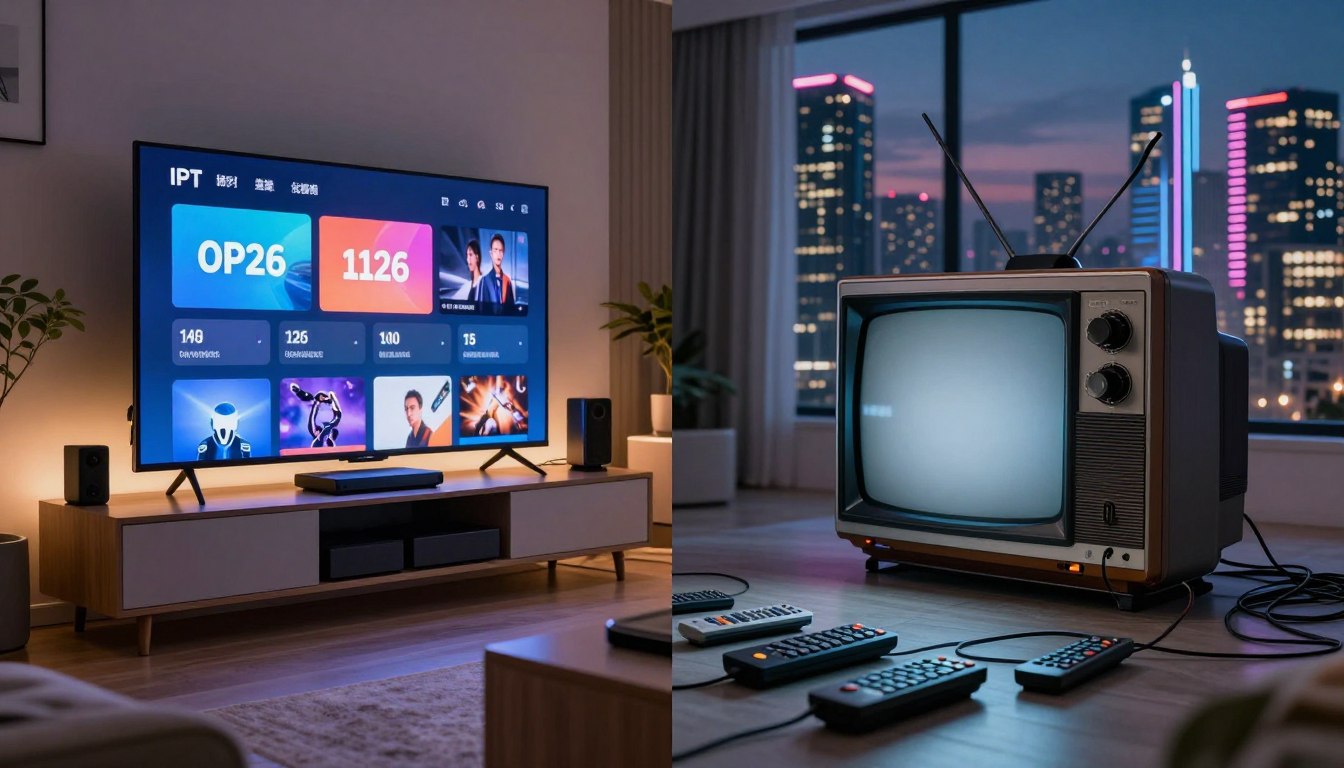
IPTV vs Cable TV in 2026 Which Is Better for You

achy72IPTV1 hour ago3 Views

The world of home entertainment is changing fast. We’re moving towards a digital-first world. Choosing between old and new ways of watching requires looking at your viewing habits.

Finding the right mix of cost, quality, and ease is key for any home. I want to help you find reliable entertainment solutions that match your lifestyle. The market is complex, making it hard to pick where to spend your money each month.

By looking at current trends, I aim to guide you confidently. This way, you can make informed choices about your entertainment.

IPTV vs Cable TV in 2026 Which Is Better for YouWhether you love live sports or on-demand shows, finding the best streaming solutions is crucial. When comparing IPTV vs Cable TV in 2026, your setup matters a lot. Let’s see how you can make your home setup the best it can be.

Key Takeaways

  • Know your viewing habits before signing a long contract.
  • Understand what you need for top-notch digital streaming.
  • Compare costs to see if the content is worth it.
  • Choose platforms that are easy to use for your family.
  • Keep up with industry changes to future-proof your setup.

The Current State of IPTV vs Cable TV in 2026

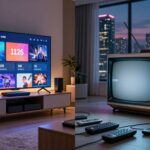
The TV industry has changed fast, moving from old setups to new digital ones. Looking at IPTV vs Cable TV in 2026, we see a big change. People now want easy and affordable options, not the old bundles.

Market Penetration and Subscriber Shifts in the United States

The linear television decline is real, shown in subscriber numbers. Millions in the U.S. are looking for Cable TV alternatives to avoid long contracts. They want content that fits their busy lives.

Today’s cord-cutting trends show people want on-demand access. They like watching what they want, when they want, without schedules. Here’s how these two models differ for viewers.

FeatureTraditional CableModern IPTV
Delivery MethodCoaxial CableHigh-Speed Internet
FlexibilityFixed BundlesOn-Demand Access
Contract TermsLong-term AgreementsMonth-to-Month
Device SupportSet-top Box OnlyMulti-device Support

Technological Advancements Driving the Transition

Technology is key to this big change. IPTV service providers use cloud systems for better streaming. This makes watching TV as good as or better than old broadcasts.

Fast internet and smart devices make switching easy. These services use data packets, not cables, for better flexibility. This change puts control in the viewer’s hands for the future of TV.

Cost Analysis and Subscription Models

Looking at my monthly bills, I see a big difference between old cable and new options. Many people find their bills much higher than the initial prices because of complex fees. This is why cable TV alternatives are becoming a top choice for saving money.

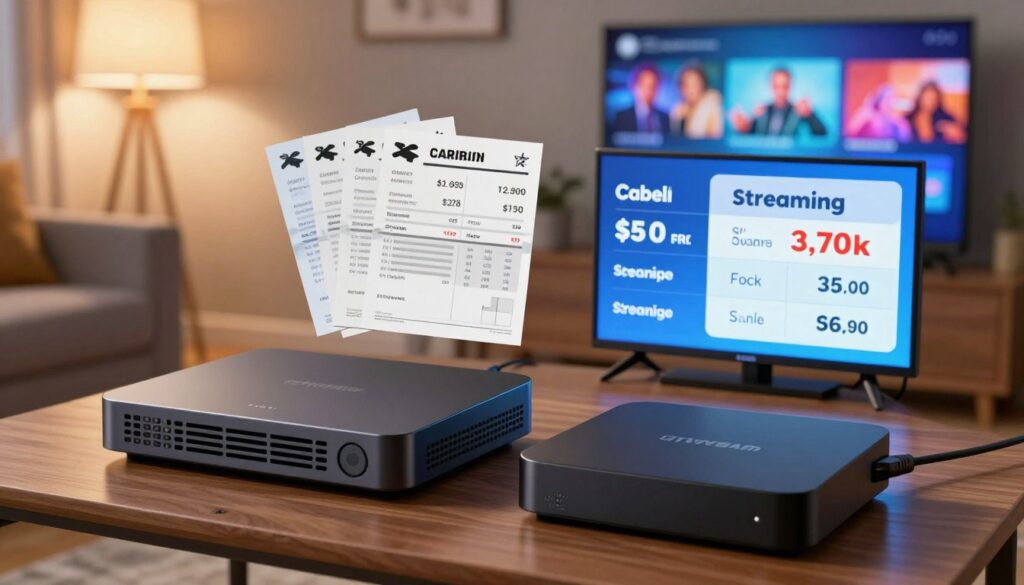
Cable TV equipment fees and streaming subscription costs

Hidden Fees and Equipment Rentals in Traditional Cable

The worst part of a cable contract is the extra charges. Companies add hidden costs that make your bill much higher. These cable TV equipment fees for things like DVRs and remotes can cost hundreds of dollars a year.

“The shift toward digital delivery is not just about convenience; it is about transparency in pricing that legacy providers have struggled to match for decades.”

Industry Analyst

The Flexibility of Tiered IPTV Pricing Structures

The move to cord-cutting trends has changed how we pay for TV. IPTV uses tiered pricing, so you only pay for what you watch. This is different from the old cable contracts where you paid for lots of channels you never watched.

FeatureTraditional CableModern IPTV
Equipment FeesHigh Monthly CostNone/Minimal
Contract Length12-24 MonthsMonth-to-Month
Pricing ModelBundled/FixedTiered/Customizable

Bundling Internet and Streaming Services

It’s smart to look at the total cost of your internet and TV together. By bundling internet and streaming services, you can save money. This is a great way to manage streaming subscription costs and keep your devices connected fast.

The Impact of Dynamic Ad Insertion on Consumer Costs

Advertising technology is also changing how much we pay. Dynamic ad insertion lets platforms show ads that match your interests. This helps keep subscription prices low while still making money for quality content.

Streaming Quality and Reliability Standards

The quality of your streaming depends on your home network. Unlike traditional cable, streaming services rely on your internet. A consistent, high-definition picture needs both speed and network stability.

Latency Issues in Live Sports Broadcasting

Latency in live sports streaming can be frustrating. It’s the delay between the event and what you see. This happens because data goes through many servers before reaching you.

Providers are working to reduce this delay. They use dynamic ad insertion to manage content better. This helps keep the broadcast as close to real-time as possible.

Bandwidth Requirements for 4K UHD Content

To stream 4K UHD without buffering, your network needs to meet certain internet bandwidth requirements. High-resolution video needs a lot of data to look clear. A stable connection of at least 25 Mbps is recommended for a single 4K stream.

Infrastructure Upgrades by Major Internet Service Providers

Internet service providers are investing in fiber-optic technology. This upgrade increases data capacity and reduces packet loss. Upgrades can lead to fewer interruptions during busy times.

Comparing Signal Stability During Peak Usage Hours

Signal stability can change in the evening when everyone is online. Cable networks might struggle with congestion, but fiber connections stay consistent. The table below shows how different connections handle streaming demands.

Connection TypeAverage Latency4K StabilityPeak Hour Performance
Fiber OpticVery LowExcellentHigh
Cable BroadbandModerateGoodVariable
DSL/SatelliteHighPoorLow

Content Availability and Exclusive Programming

Today, how we watch our favorite shows and live events has changed a lot. We no longer have to stick to a set schedule. This is because many people are tired of paying high Cable TV equipment fees for channels they don’t watch much.

This change is big for how we pick our entertainment. Now, we want to watch what we want, when we want. No more waiting for a specific time to watch our favorite shows.

The Decline of Linear Cable Channels

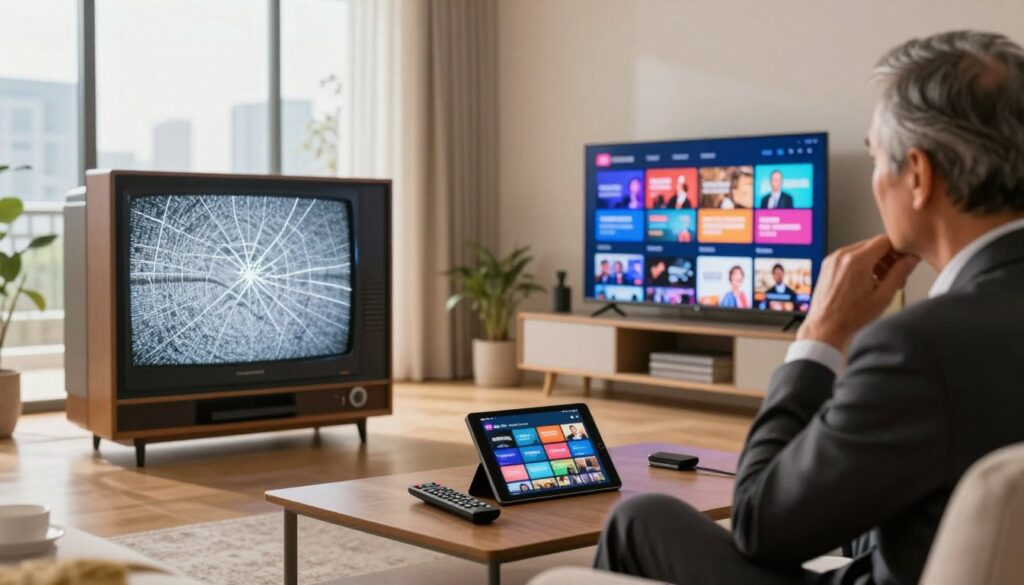
The linear television decline is real and growing. Old TV networks are losing viewers. People are moving to platforms that give them more freedom.

Most families now like to pause, rewind, and binge-watch shows at their own speed. This shift has made old TV providers rethink how they do business to stay in the game.

Linear television decline

On-Demand Libraries and Original Content Strategies

Streaming services are doing well by focusing on on-demand content libraries with lots of shows. They use data to make original shows that keep viewers coming back.

By making exclusive content, these services become a must-have for fans. This new way of storytelling replaces old channel bundles with something better.

Regional Sports Networks and Local Broadcast Access

But, getting to watch regional sports networks is hard for many who cut the cord. It’s tough to find a good way to watch local teams without a traditional TV contract.

Also, live sports streaming has issues with live TV latency. This can be annoying during big games. Now, many platforms are trying to add local broadcast access to their services to solve this problem.

“The future of television is not about the channel you choose, but the story you want to experience right now.”

User Experience and Hardware Requirements

Choosing the right hardware is as crucial as the service itself for the best streaming solutions. A top-notch signal is useless if your device can’t handle it or if the interface is slow.

Interface Design and Navigation Efficiency

A simple IPTV interface design is key for a smooth viewing experience. I seek platforms that are fast, letting me switch between live sports and movies easily.

Navigation should be intuitive. If you’re stuck in menus for too long, the software might not be right for you.

Hardware Compatibility Across Smart TVs and Streaming Sticks

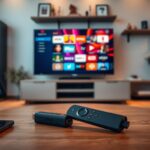
When picking your setup, think about streaming hardware compatibility with your TV. Many Smart TV streaming apps are built-in, but they might not match the power of devices like Roku or Fire TV.

To stream in 4K UHD, your device needs to support high-efficiency video coding. Also, check your Internet bandwidth requirements to avoid buffering during busy times.

The Role of Voice Control and AI Recommendations

Managing a huge library of content can be tough without the right tools. AI-driven content recommendations are key for finding shows that fit my taste.

Voice control makes things even easier. You can just speak your request to find what you want to watch quickly.

Conclusion

You now have the power to create a viewing experience that suits your lifestyle. Moving away from old cable systems lets you focus on value and convenience. This change makes your daily routine better.

Top IPTV service providers give you control that old systems can’t match. You can pick only the content you watch, saving money. This way, you only pay for what you enjoy, avoiding unnecessary channels.

Today’s viewers want entertainment that works well with their devices. Good IPTV designs make finding shows easy. And, with strong hardware compatibility, your setup works on all screens. You can use Smart TV apps or boxes, making technology easy to use.

Think about how your family watches media when choosing. If you follow sports, find services with great live coverage. For new discoveries, look for AI-driven recommendations. Your home theater should match your tastes and needs.

FAQ

Why is IPTV generally more cost-effective than traditional cable packages in 2026?

IPTV saves money by avoiding hidden fees and equipment rentals. Unlike Comcast Xfinity or Spectrum, IPTV lets you use your own devices like an Apple TV 4K. This way, you can save hundreds of dollars a year and enjoy better pricing.

Will I experience more buffering or latency with IPTV compared to cable?

It depends on your setup. Cable has dedicated lines, but IPTV’s latency issues are being fixed by upgrades from Google Fiber and Verizon Fios. For live sports, use Ethernet for stable bandwidth, especially for 4K UHD content.

Can I still access local news and Regional Sports Networks (RSNs) through IPTV?

Yes, with the right service. YouTube TV and Hulu + Live TV have improved local broadcast access. For RSNs, some IPTV providers offer an EPG for easy live schedule navigation.

Do I need a VPN to use IPTV services safely?

Not always, but it’s a good idea. Some ISPs might slow down your stream if they detect it. A VPN like NordVPN or ExpressVPN can help keep your connection stable and fast.

What hardware provides the best user experience for a digital-first setup?

The NVIDIA Shield TV Pro and Roku Ultra offer the best interface and speed. They handle AI content recommendations well and are compatible with modern apps. The Amazon Fire TV Stick 4K Max is a great portable option.

What is "Catch-up TV," and is it available on most IPTV platforms?

Catch-up TV lets you watch shows from the past 24 to 72 hours. It’s better than traditional DVRs. Most premium IPTV services now include this feature in their on-demand libraries.

0 Votes: 0 Upvotes, 0 Downvotes (0 Points)

Leave a reply

Previous Post

Next Post

Loading Next Post...
Follow
Sign In/Sign Up Sidebar Search Trending 0 Cart
Popular Now
Loading

Signing-in 3 seconds...

Signing-up 3 seconds...

Cart
Cart updating

ShopYour cart is currently is empty. You could visit our shop and start shopping.